
Custom Home Building in Albuquerque: A Homeowner’s Guide to Navigating the Custom Home Building Process

Updated: May 15

Building a custom home for the first time is one of the most exciting — and most overwhelming — investments a homeowner can make. Unlike buying an existing house, you are not choosing from someone else’s decisions. You are creating a home designed specifically around your land, your lifestyle, and your long-term goals.
In Albuquerque and surrounding New Mexico communities, custom home construction also comes with unique considerations: climate, soil conditions, energy efficiency requirements, zoning, and design trends that reflect the Southwest lifestyle.
This guide breaks down the custom home building process in a simple, realistic way so first-time homeowners can confidently hire a contractor and understand what to expect from start to finish.
Step 1: Understand What “Custom Home Building” Actually Means
A custom home is not a pre-designed floor plan with minor changes. It is a fully designed and built home tailored to:
Your land
Your lifestyle
Your budget
Your design preferences
Your long-term needs
In Albuquerque, that often includes:
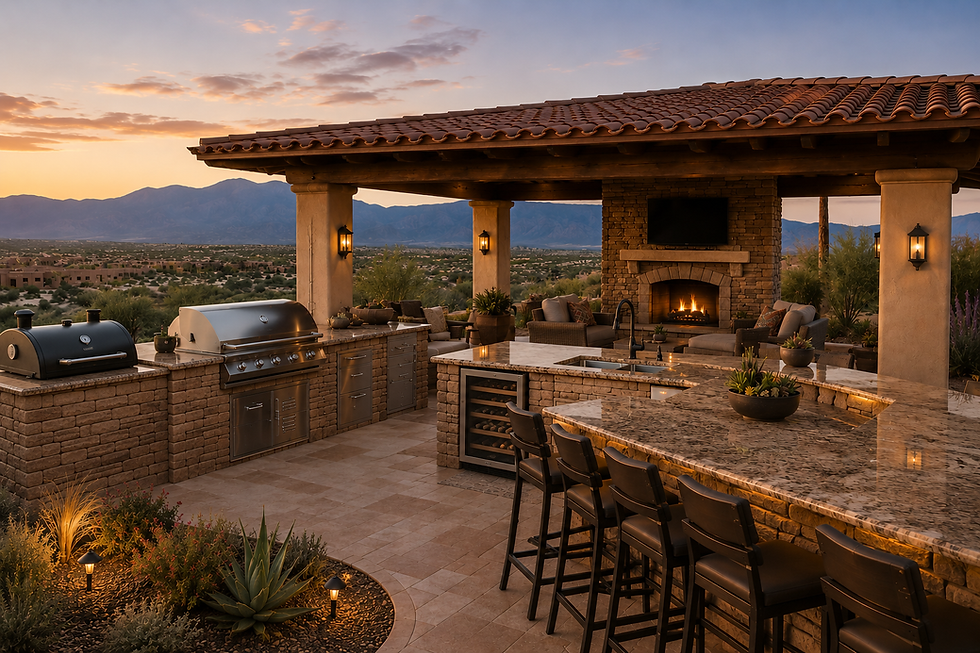
Indoor/outdoor living spaces
Energy-efficient design for hot summers and cold nights
Stucco exteriors and Southwest architectural styles
Covered patios, portals, and shade structures
Open floor plans with functional kitchens and great rooms
A true custom build means you are involved in decisions at every stage — from layout to finishes.
Step 2: Budgeting for a Custom Home in New Mexico
One of the most important early steps is understanding realistic cost expectations.
In the Albuquerque market, custom home construction typically ranges depending on design complexity and finishes.
Key cost components include:
Construction Cost (Base Structure)
Framing, foundation, roofing, drywall, and core systems
Mechanical, electrical, and plumbing systems
Exterior finishes (stucco, windows, doors)
Site Development Costs (Often Overlooked)
These can significantly impact total project budget:
Land grading and excavation
Utility connections (water, sewer/septic, electric, gas)
Driveways and access roads
Permits and impact fees
Retaining walls or drainage solutions
Design and Engineering
Architectural plans
Structural engineering
Energy compliance documentation
Finishes and Allowances
Flooring
Cabinets
Countertops
Lighting
Fixtures and appliances
Important: Allowances matter. Low allowances in a bid can make a project look cheaper upfront but lead to change orders later when selections exceed the budget.
Step 3: Choosing the Right Contractor
Hiring the right general contractor is the most important decision in the entire process.
When evaluating builders in Albuquerque, look for:
Licensing & Insurance
Must hold a valid New Mexico GB-98 contractor license
General liability insurance
Workers’ compensation coverage
Experience in Custom Homes
Custom homes are not the same as remodels. You want a builder who understands:
Ground-up construction
Scheduling trades in sequence
Managing inspections
Coordinating design changes during construction
Communication Style
You should feel:
Informed, not confused
Included, not ignored
Confident, not pressured
Step 4: Finding and Evaluating Land
If you haven’t purchased land yet, this step is critical.
In Albuquerque and surrounding areas, you must consider:
Utility access (water, sewer, electric, gas)
Soil conditions and compaction
Zoning and setbacks
HOA restrictions (if applicable)
Road access and easements
Some lots appear inexpensive but require significant site development costs before construction even begins.
Step 5: Design Phase (Where Your Home Takes Shape)
This is where your ideas become real drawings.
You will typically work with:
Architect or designer
Structural engineer
Contractor (for budgeting and feasibility input)
Key decisions include:
Floor plan layout and flow
Number of bedrooms and bathrooms
Kitchen design and orientation
Garage size and placement
Indoor/outdoor living spaces
Natural lighting and window placement
In New Mexico, design should also prioritize:
Energy efficiency
Shade orientation
Passive cooling strategies
Durable exterior materials like stucco
Step 6: Permits and Pre-Construction
Before construction begins, your builder will handle:
Building permits
Plan approvals
Engineering reviews
Utility coordination
Construction scheduling
In Albuquerque, permitting timelines can vary depending on workload and project complexity, so planning ahead is important.
Step 7: Construction Phases (What to Expect)
Custom home construction follows a structured sequence:
1. Site Work & Foundation
Excavation
Utility trenching
Foundation pouring
2. Framing
Walls, roof structure, and basic shape of the home
3. Rough Mechanical Work
Plumbing
Electrical
HVAC systems
4. Exterior Finishes
Stucco
Roofing
Windows and doors
5. Insulation & Drywall
Energy efficiency upgrades
Interior walls begin to take shape
6. Interior Finishes
Cabinets
Flooring
Countertops
Paint and fixtures
7. Final Inspections & Walkthrough
Code compliance inspections
Punch list completion
Final handover
Step 8: Timeline Expectations
Custom homes in Albuquerque typically take several months to over a year depending on:
Size of the home
Complexity of design
Weather conditions
Permit timelines
Material availability
A well-managed project prioritizes:
Scheduling consistency
Trade coordination
Transparent communication
Step 9: Common First-Time Homeowner Mistakes
Avoid these common pitfalls:
Underestimating total project cost (especially site work)
Choosing a contractor based only on the lowest bid
Not planning for material upgrades and allowances
Changing design too late in the process
Not understanding utility connection costs
Skipping proper design development before construction
Step 10: Final Thoughts — Building the Right Home for You
Building a custom home is not just a construction project — it is a long-term investment in your lifestyle.
The best custom homes in Albuquerque are designed with intention:
How you live day to day
How your family grows
How your home interacts with the climate
How your space supports comfort and functionality
The goal is simple: when the project is complete, your home should feel like it was always meant to be yours.
If you are considering building a custom home in Albuquerque or surrounding areas, working with an experienced, licensed general contractor can help you navigate the process with clarity, confidence, and fewer surprises along the way.
---
Written by Extra Mile Builders, a licensed GB-98 general contractor and veteran-owned remodeling company serving Albuquerque, New Mexico, Rio Rancho, New Mexico, Santa Fe, New Mexico, and surrounding New Mexico communities.
Extra Mile Builders specializes in kitchen remodeling, bathroom renovations, ADA accessibility upgrades, aging-in-place remodeling, casitas, home additions, custom homes, and full residential construction services throughout New Mexico.

Comments