
Material Allowances in Construction: Kitchens, Bathrooms, Casitas - Remodels and Custom Homes in Albuquerque NM

Updated: May 15
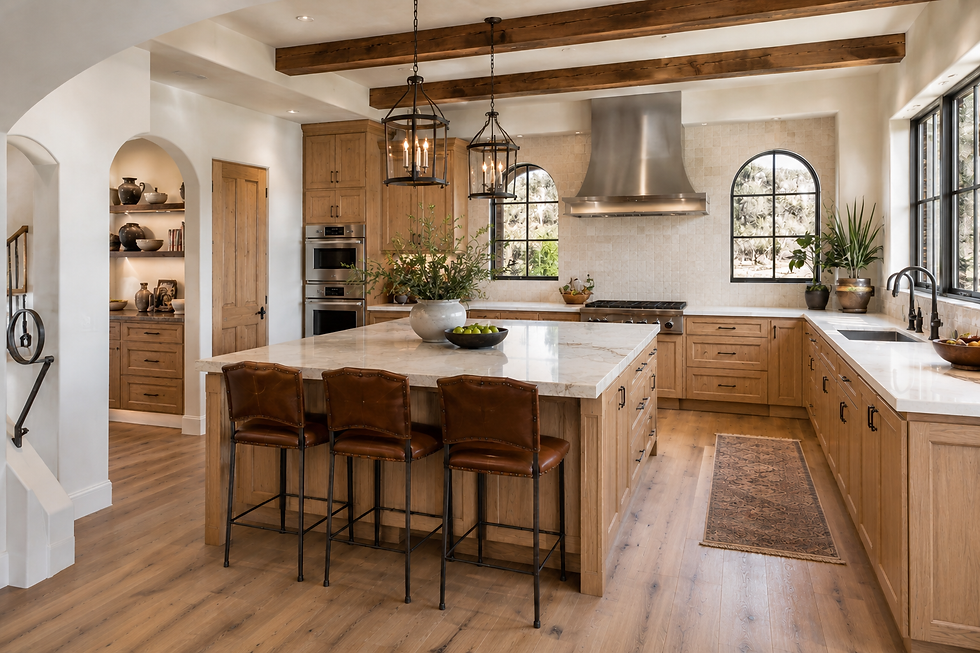
When homeowners begin a remodel or new construction project, one of the most misunderstood parts of the budgeting process is something called a material allowance.
Whether you are remodeling a kitchen, updating a bathroom, building a casita (ADU), or constructing a custom home in Albuquerque, allowances play a major role in how your final project cost is determined.
If you have ever wondered why two bids that look similar end up costing very different amounts once construction begins, allowances are usually the reason.
This guide breaks down what allowances are, how they work, and why they matter so much in residential construction.
What Is a Material Allowance?
A material allowance is a budget placeholder included in your construction contract for items that have not yet been selected at the time of bidding.
Instead of specifying exact products (like a specific countertop or tile), the contractor assigns a dollar amount per category.
For example:
Countertops: $3,000 allowance
Flooring: $8,000 allowance
Plumbing fixtures: $2,500 allowance
These numbers represent what is included in the contract price.
If the homeowner selects materials that cost more than the allowance, the difference becomes a change order. If selections cost less, the difference may be credited back depending on the contract.
Why Allowances Are Used
Allowances exist because most homeowners do not make all final selections before construction pricing is needed.
They allow:
Faster estimating and budgeting
Flexibility in design decisions
A way to move forward without delaying the entire project
A standardized way to compare bids between contractors
In projects like:
Kitchen remodels
Bathroom remodels
ADUs / casitas
Custom homes
…it is common for finishes to be finalized during design or early construction phases.
How Allowances Are Calculated
Contractors typically calculate allowances based on:
1. Project Scope and Size
A larger kitchen or home = higher material budgets.
2. Quality Level of the Project
Allowances are usually set based on:
Builder-grade
Mid-range
High-end / luxury finishes
3. Market Pricing in Albuquerque
Local material availability, shipping, and supplier pricing all affect allowances.
4. Past Project Data
Experienced contractors base allowances on what real homeowners typically select in similar projects.
Why Allowances Matter So Much
Allowances directly affect your total project cost.
A low allowance may make a bid look cheaper upfront, but can lead to:
Unexpected change orders
Budget overruns
Stress during material selection
Delays in decision-making
A realistic allowance helps:
Keep budgets accurate
Avoid surprises
Match expectations early
Ensure smoother project flow
Common Material Allowance Categories (and Realistic Ranges)
Below are typical allowance ranges seen in Albuquerque residential construction. These vary based on design level and project scope.
Countertops
Common materials:
Laminate
Granite
Quartz
Solid surface
Porcelain slabs
Typical ranges:
Laminate: $30–$80 per sq ft installed
Granite: $70–$120 per sq ft installed
Quartz: $80–$150 per sq ft installed
High-end porcelain or exotic stone: $120–$200+ per sq ft
Tile (Flooring & Shower Surrounds)
Used heavily in bathrooms, kitchens, and ADUs.
Standard ceramic: $8–$15+ per sq ft
Porcelain: $6–$15+ per sq ft
Designer / specialty tile: $12–$30+ per sq ft
Installed shower systems: $2,500–$8,000+ depending on size and design
Tile allowances must also account for labor, not just material cost.
Plumbing Fixtures
Includes:
Faucets
Shower systems
Toilets
Sinks
Tub fixtures
Typical ranges:
Builder-grade: $150–$500 per fixture
Mid-range: $500–$1,200 per fixture
High-end / luxury: $1,200–$3,000+ per fixture
Bathrooms and kitchens can quickly shift budget depending on fixture selection.
Light Fixtures
Lighting plays a major role in both function and design.
Basic fixtures: $50–$150 each
Mid-range fixtures: $150–$500 each
Designer / statement lighting: $500–$2,500+ each
Kitchen islands, dining areas, and exterior lighting often carry higher allowances.
Flooring
One of the largest allowances in any remodel or new home.
Carpet: $5–$10 per sq ft installed
Luxury vinyl plank (LVP): $8–$12 per sq ft
Hardwood: $10–$20+ per sq ft
Tile flooring: $12–$20+ per sq ft installed
Flooring choices can significantly impact total project cost across the entire home or ADU.
Cabinets (Kitchen & Bath)
Cabinets are often the largest single allowance category.
Stock cabinets: $250–$350 per linear ft
Semi-custom: $300–$700 per linear ft
Custom cabinetry: $700–$1,500+ per linear ft
Kitchen remodels and custom homes often see the largest variance in this category.
How Contractors Communicate Allowances
A professional contractor should:
Clearly list allowances in the estimate or contract
Explain what is included and excluded
Provide examples of typical selections
Review upgrade scenarios before decisions are made
Help homeowners stay within budget during selections
At Extra Mile Builders, allowances are discussed early so homeowners understand what their budget realistically includes before construction begins.
Example: Why Allowances Matter in Real Life
Let’s say a kitchen remodel includes:
Countertop allowance: $3,000
Tile allowance: $2,000
Plumbing fixtures: $1,500
If the homeowner selects premium quartz, designer tile, and upgraded fixtures, the actual cost may exceed allowances by several thousand dollars.
On the other hand, staying within allowance ranges keeps the project aligned with the original contract price.
Allowances in ADUs, Casitas, and Custom Homes
In larger projects like:
Casitas / ADUs
Full home remodels
Custom home construction
Allowances become even more important because:
There are more material categories
Finishes vary widely across rooms
Homeowners often upgrade selections during the process
Proper allowance planning ensures the entire project remains financially predictable.
Final Thoughts
Material allowances are not just accounting numbers — they are one of the most important tools for keeping your project on budget and aligned with expectations.
When clearly explained and realistically set, allowances help homeowners:
Make informed design decisions
Avoid surprise costs
Compare contractor bids fairly
Keep projects running smoothly from start to finish
Whether you are remodeling a kitchen or bathroom, building a casita, or constructing a custom home in Albuquerque, understanding allowances early will save time, stress, and money throughout the entire process.
---
Written by Extra Mile Builders, a licensed GB-98 general contractor and veteran-owned remodeling company serving Albuquerque, New Mexico, Rio Rancho, New Mexico, Santa Fe, New Mexico, and surrounding New Mexico communities.
Extra Mile Builders specializes in kitchen remodeling, bathroom renovations, ADA accessibility upgrades, aging-in-place remodeling, casitas, home additions, custom homes, and full residential construction services throughout New Mexico.


Comments